
Hey, ich bin Philipp 👋
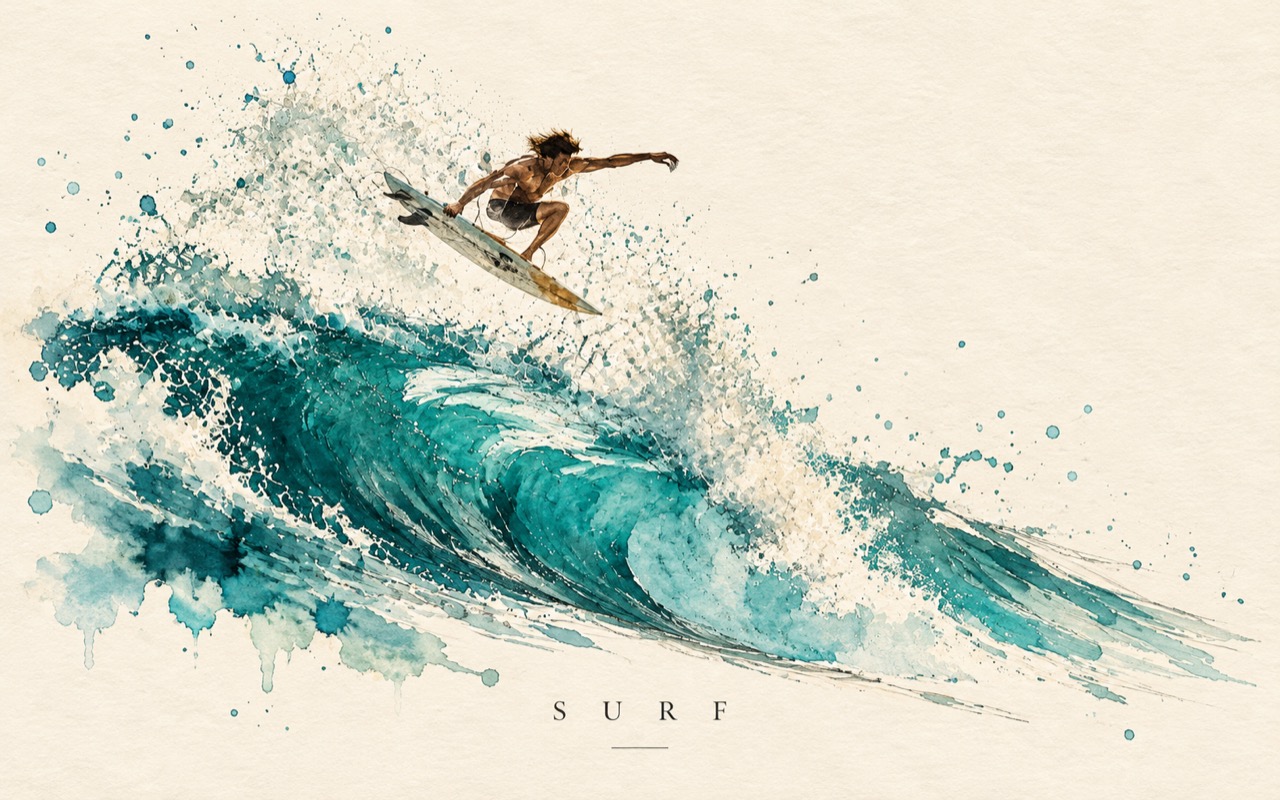
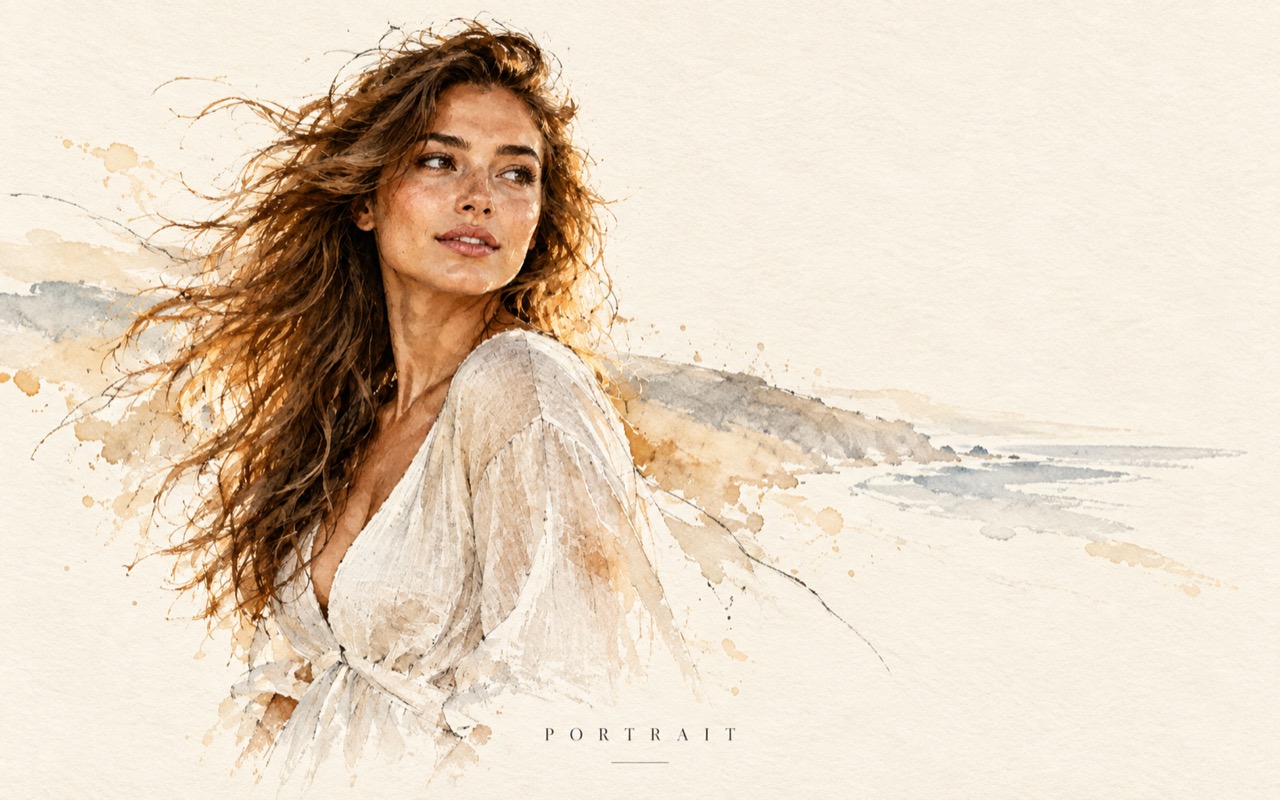
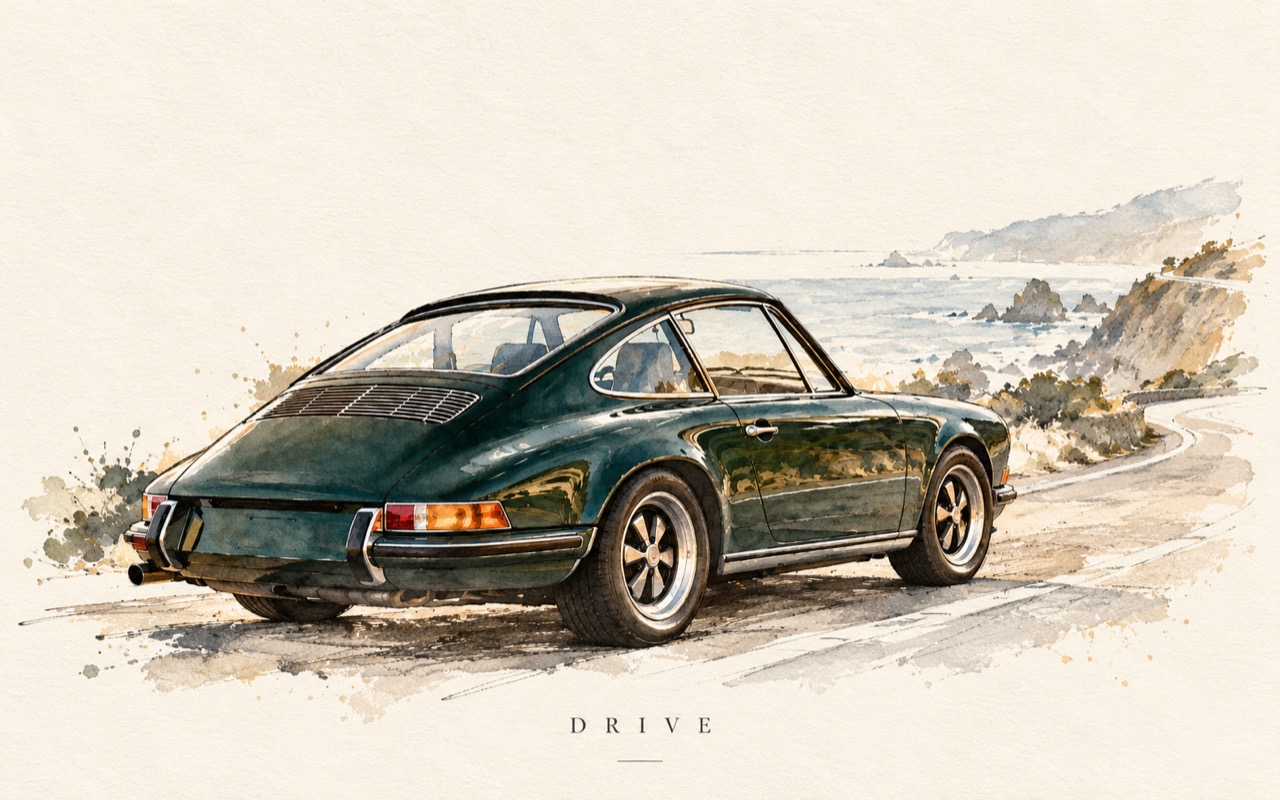
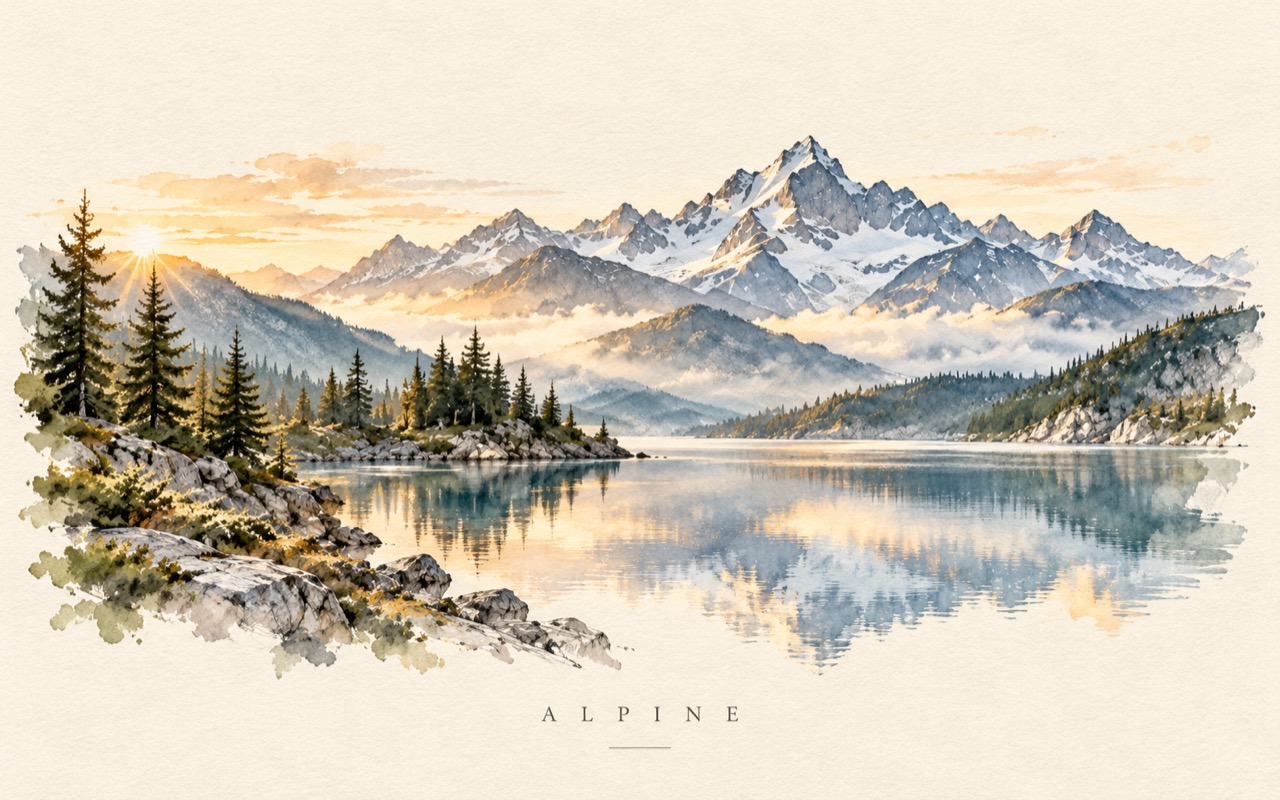
Du hast ein Lieblingsfoto und hättest es gern als Kunstdruck an der Wand? Mit einem einzigen Prompt verwandelt ChatGPT jedes Foto in ein minimalistisches Aquarell-Poster: Das Motiv bleibt erkennbar, der Hintergrund wird zu warmem Papier, und unten steht ein kleiner Titel wie in einer Galerie. So sind auch die vier Poster in meinem Karussell entstanden — hier ist der komplette Prompt.
1Foto in ChatGPT hochladen
Öffne ChatGPT und lade das Foto hoch, das du verwandeln möchtest — über das Plus-Zeichen im Eingabefeld. Am besten funktionieren Fotos mit einem klaren Hauptmotiv: eine Person, ein Auto, ein Tier, eine Landschaft.
2Den Prompt dazu einfügen
Kopiere den Prompt unten, füge ihn unter dem Foto ein und schick ihn ab. Er funktioniert mit jedem Motiv: ChatGPT erkennt selbst, was auf dem Bild zu sehen ist, übernimmt die wichtigsten Farben und setzt passend einen kleinen Titel darunter.
Transform the uploaded reference image into a sophisticated, minimalist fine-art watercolor poster with a premium editorial aesthetic. **1. SUBJECT & COMPOSITION** Analyze the uploaded image and automatically identify its main subject, distinctive features, pose, proportions, perspective and most important visual elements. Preserve the identity, recognizable appearance, silhouette and characteristic details of the original subject. Maintain the original action, movement and overall visual storytelling. The transformation must work universally with any subject, including people, animals, vehicles, architecture, landscapes, sports, products and everyday objects. **2. ARTISTIC TRANSFORMATION** Reinterpret the original photograph as an elegant combination of expressive watercolor painting, delicate ink illustration, subtle graphite sketching and organic brushwork. Use fluid watercolor washes, natural pigment bleeding, textured brushstrokes, scattered paint droplets and subtle hand-painted imperfections. Preserve fine details only where essential for recognizing the subject. Simplify everything else into artistic shapes, expressive strokes and delicate pigment textures. The final result must look like authentic handmade fine art rather than a digital filter or an AI-generated cartoon. **3. BACKGROUND & NEGATIVE SPACE** Remove the original photographic background and replace it with a warm ivory, off-white, naturally textured fine-art paper surface. Retain only environmental elements that are essential to understanding the subject, reinterpreting them as minimal abstract watercolor gestures. Use generous negative space around the main subject. Allow some watercolor elements to gradually dissolve into the paper through faded brushstrokes, scattered pigment and organic transitions. **4. COLOR PALETTE** Extract the most recognizable and aesthetically important colors from the original photograph. Translate them into a refined, harmonious, slightly desaturated watercolor palette. Use expressive accent colors selectively while keeping the overall image understated, airy and sophisticated. Avoid excessive saturation, artificial gradients and harsh digital contrasts. **5. PREMIUM POSTER COMPOSITION** Create an elegant, gallery-worthy editorial composition. Position the subject primarily in the upper-middle region of the canvas, allowing generous breathing room. Maintain a balanced relationship between detailed illustration and empty paper. Use the original subject's natural movement, shape and direction to determine the most visually compelling layout. **6. TYPOGRAPHY** Add a single small, elegant word near the lower center of the poster that intelligently describes the primary subject or theme of the image. Use widely spaced uppercase letters in a refined, minimalist serif typeface. Add a tiny, thin horizontal line beneath the word. Typography must remain discreet, premium and secondary to the artwork. Do not add any other text. **7. VISUAL STYLE** Contemporary fine-art watercolor illustration, Japanese sumi-e influences, Scandinavian minimalism, luxury lifestyle editorial, sophisticated museum-quality art print, handmade paper textures, subtle graphite details, organic pigment diffusion, expressive artistic restraint. **8. OUTPUT REQUIREMENTS** Vertical 4:5 poster format. High-resolution, print-quality appearance. Flat artwork without mockup, frame, wall or surrounding environment. Warm natural paper texture across the entire composition. Maintain strong subject recognition while achieving a dramatically simplified, artistic interpretation. **IMPORTANT:** Do not simply apply a watercolor filter to the original photo. Completely reinterpret the photograph as a handcrafted minimalist editorial artwork while retaining the subject's recognizable identity and essential visual characteristics. **AVOID:** Photorealistic backgrounds, overly detailed scenery, cartoon styles, vector graphics, 3D rendering, thick outlines, excessive splashes, oversaturated colors, artificial digital effects, cluttered composition, large typography, decorative borders and watermarks.
3Das Ergebnis — vier Beispiele
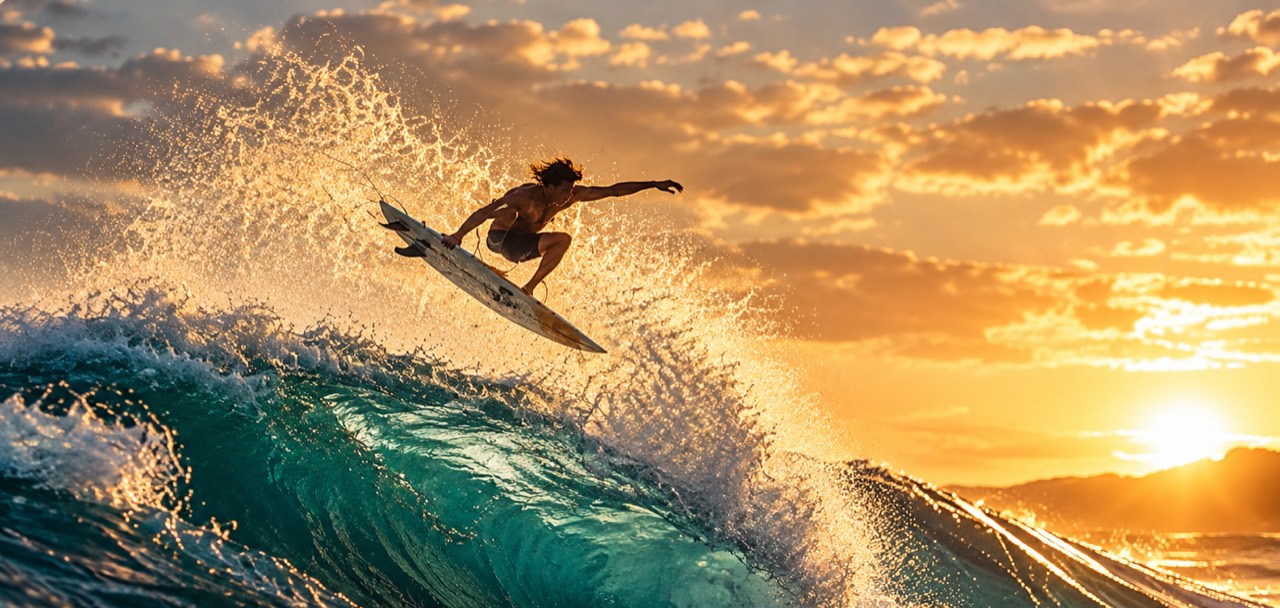
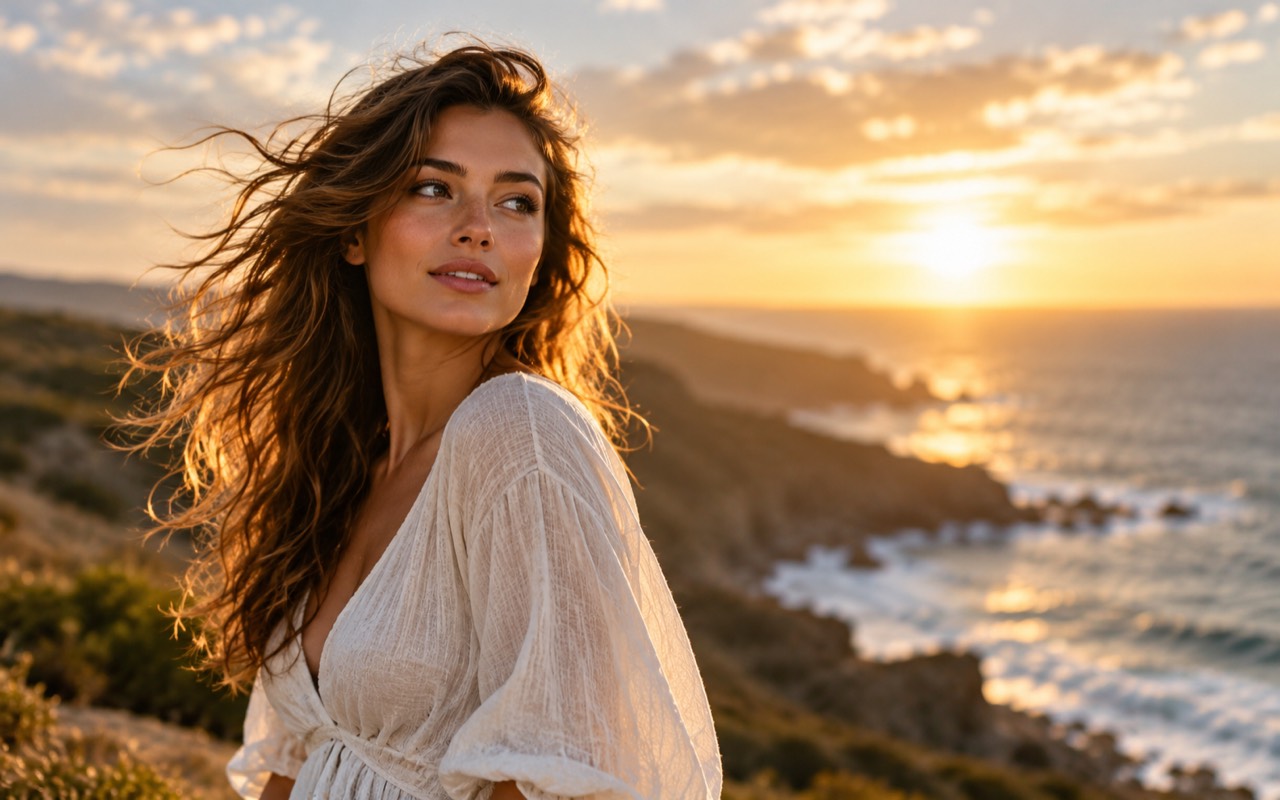
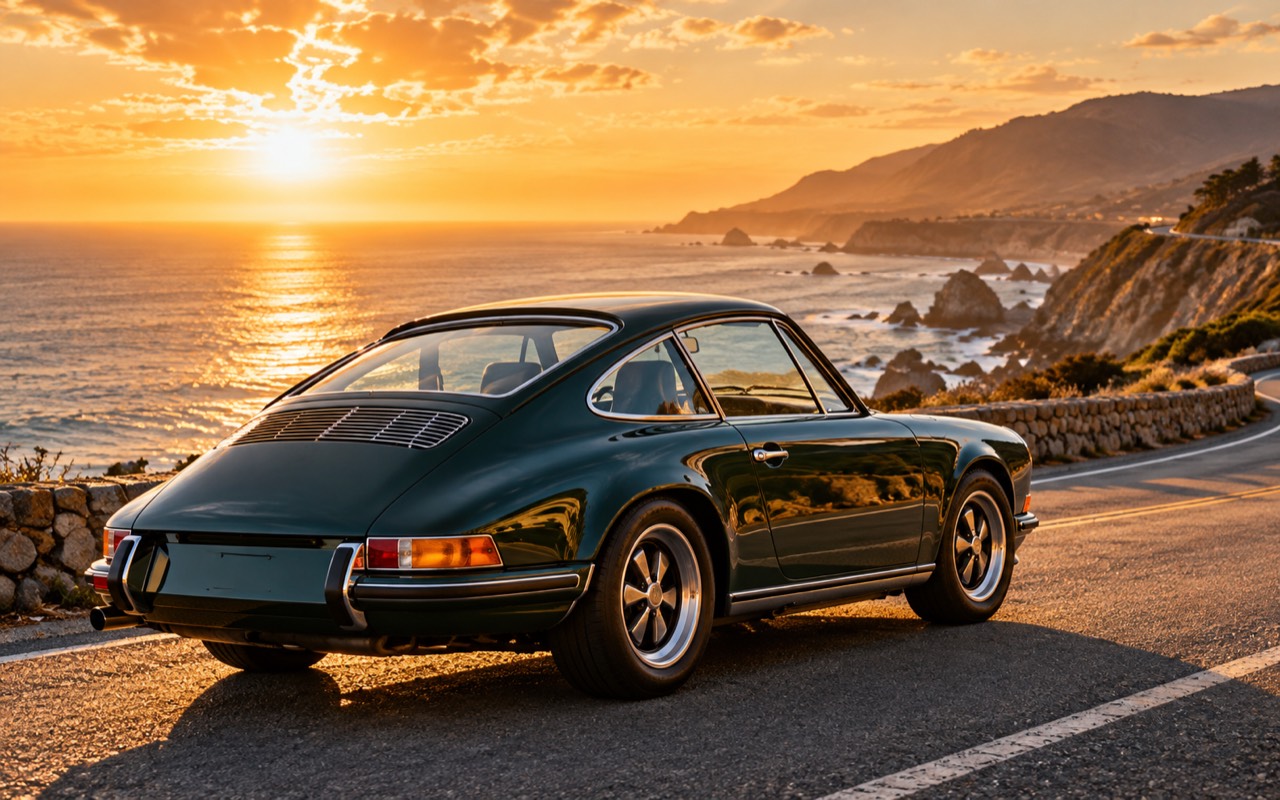
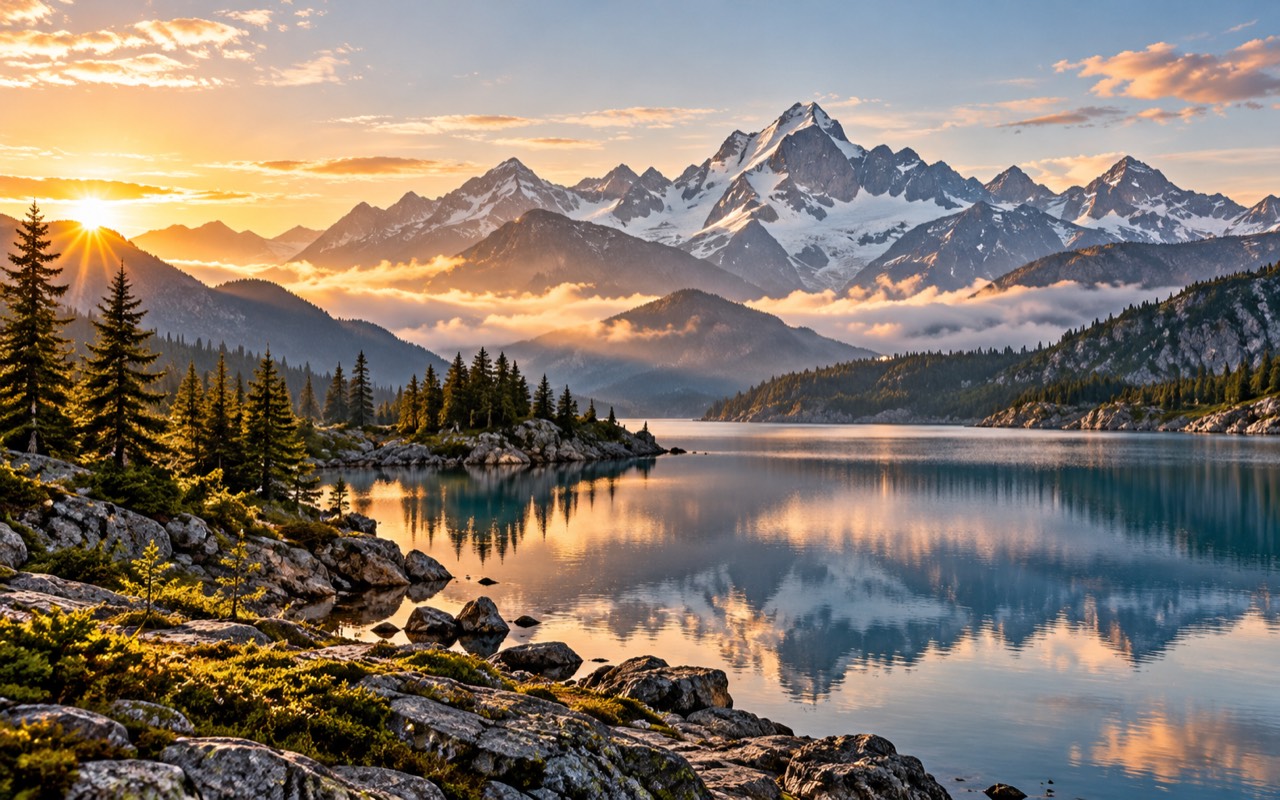
Hier siehst du jeweils das Ausgangsbild und das fertige Poster. Es war jedes Mal derselbe Prompt, nur das Foto war ein anderes.
Wichtig zu wissen
- Ehrlich: Auch die Ausgangsbilder in meinen Beispielen sind mit KI erstellt. Mit deinen eigenen Fotos funktioniert der Prompt genauso.
- Lade Fotos von anderen Menschen nur hoch, wenn sie damit einverstanden sind.
- Jedes Ergebnis ist ein bisschen anders. Gefällt dir eins nicht, schick den Prompt einfach noch einmal — oder sag ChatGPT, was es ändern soll, zum Beispiel „mehr leeres Papier“ oder „weniger Farbspritzer“.
- Willst du eine ganze Serie für die Wand? Nimm für alle Fotos genau denselben Prompt, dann passen die Poster zusammen.